Concrete Contractor in Dana Point - Driveways and Patios Built for Sloped Lots
Select Laguna Niguel Concrete is a concrete contractor based in Laguna Niguel that pours, replaces and repairs driveways, patios, walkways, steps and walls for homeowners in Dana Point, working around the gardens, pools and old concrete already there.
- Fully licensed and insured.
- Free on-site estimates.
- Expect a reply within 1 business day.
Concrete driveways and patios in Dana Point
A lot of Dana Point sits on hillsides, so the houses we work on often step up or down from the street, with driveways that climb, yards held up by walls and side yards barely wide enough for a wheelbarrow. You'll find older homes whose concrete has been patched more than once not far from newer neighborhoods with matching finishes, and most of our calls here come from people who want to replace, repair or add to what they already have. We're based close by in Laguna Niguel, and we do the same kind of work in San Juan Capistrano and the cities around it.
Most of that is flatwork, meaning the driveways, patios and walks that lie on the ground, and the price moves with how much old concrete comes out, how much base the ground needs, how hard the spot is to reach and the finish you pick. The schedule turns on any permit review and on the wait before you can use the new slab, and I'll lay it all out in a written quote once I've seen the job. On a slope, the ground drives most of those answers.
Concrete work we do in Dana Point
Concrete driveway building
Steep driveways here get a dug-out, packed base and a broom finish, a brushed texture that gives tires and shoes grip on the climb.
Learn more about Concrete driveway buildingConcrete patio construction
A patio behind a hillside home has to shed water away from the house, so we set the slope before the pour.
Learn more about Concrete patio constructionStamped concrete services
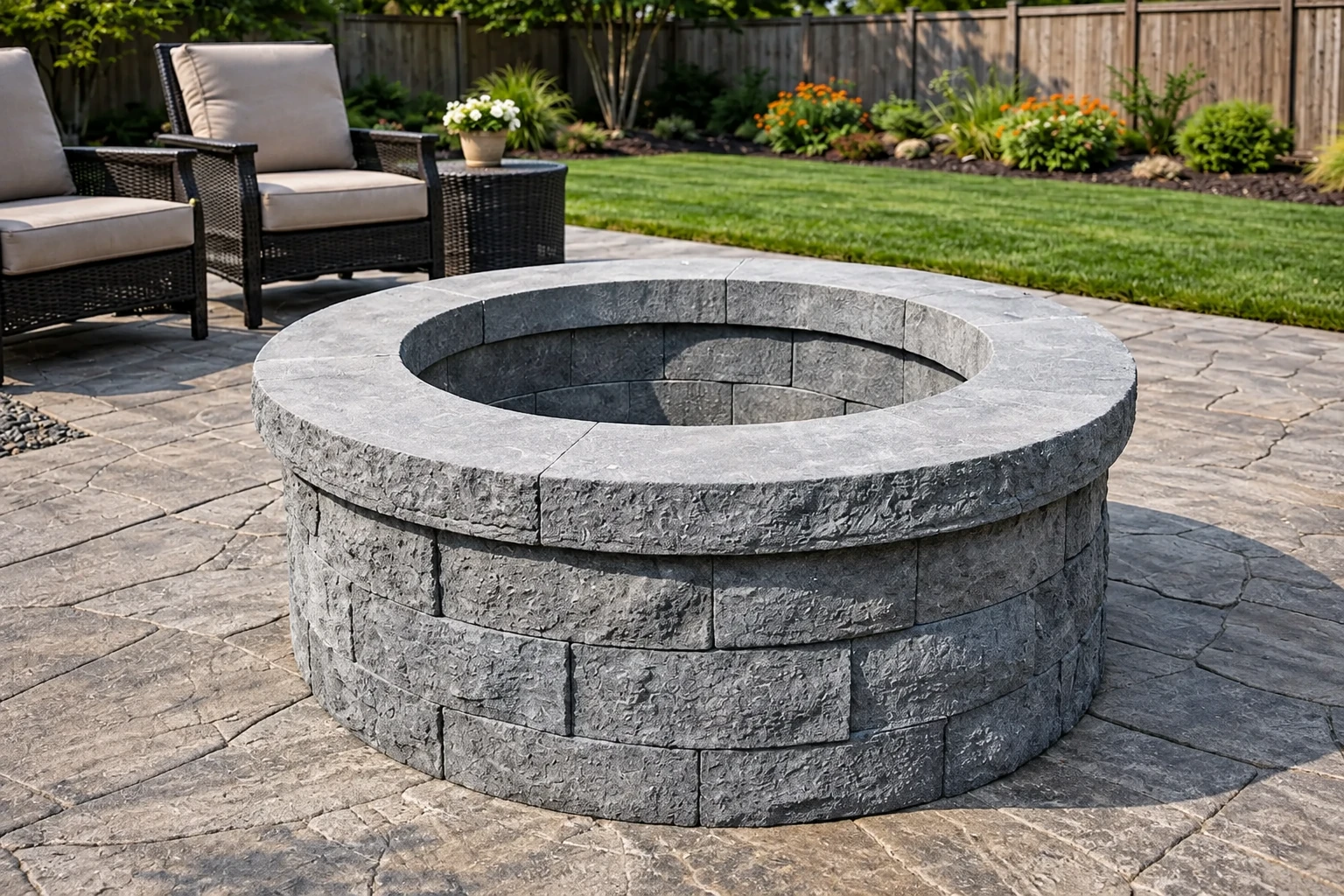
Stamped concrete patterned like stone or tile suits many yards here, as long as the base under the pattern is done right.
Learn more about Stamped concrete servicesConcrete sidewalk building
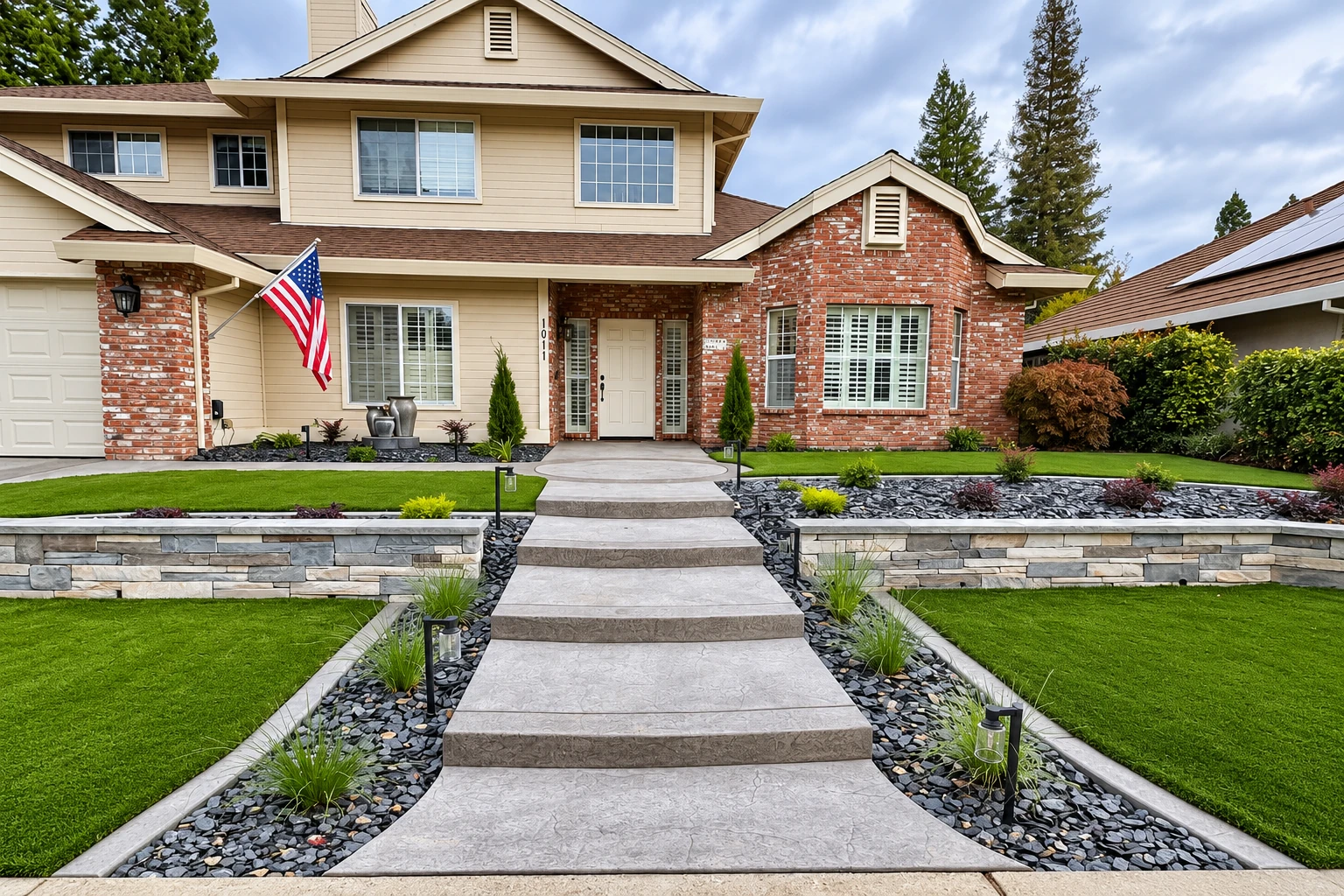
Walks that climb from the street to the front door often need steps worked into them, and we plan both together.
Learn more about Concrete sidewalk buildingGarage floor concrete
Older garage floors here are often cracked and stained. We break out the old slab, fix the base and pour a smooth, sound floor.
Learn more about Garage floor concreteDecorative concrete
Colored or exposed-aggregate finishes can pick up the look of a home's stone or tile, and we'll match what your HOA allows.
Learn more about Decorative concreteConcrete retaining walls
On sloped lots, a concrete retaining wall holds the yard back and gives you flat ground to use, with drainage built in behind it.
Learn more about Concrete retaining wallsConcrete floor installation
Room additions, workshops and converted spaces need an interior slab poured flat and true on a packed base with steel inside it.
Learn more about Concrete floor installationConcrete pool decks
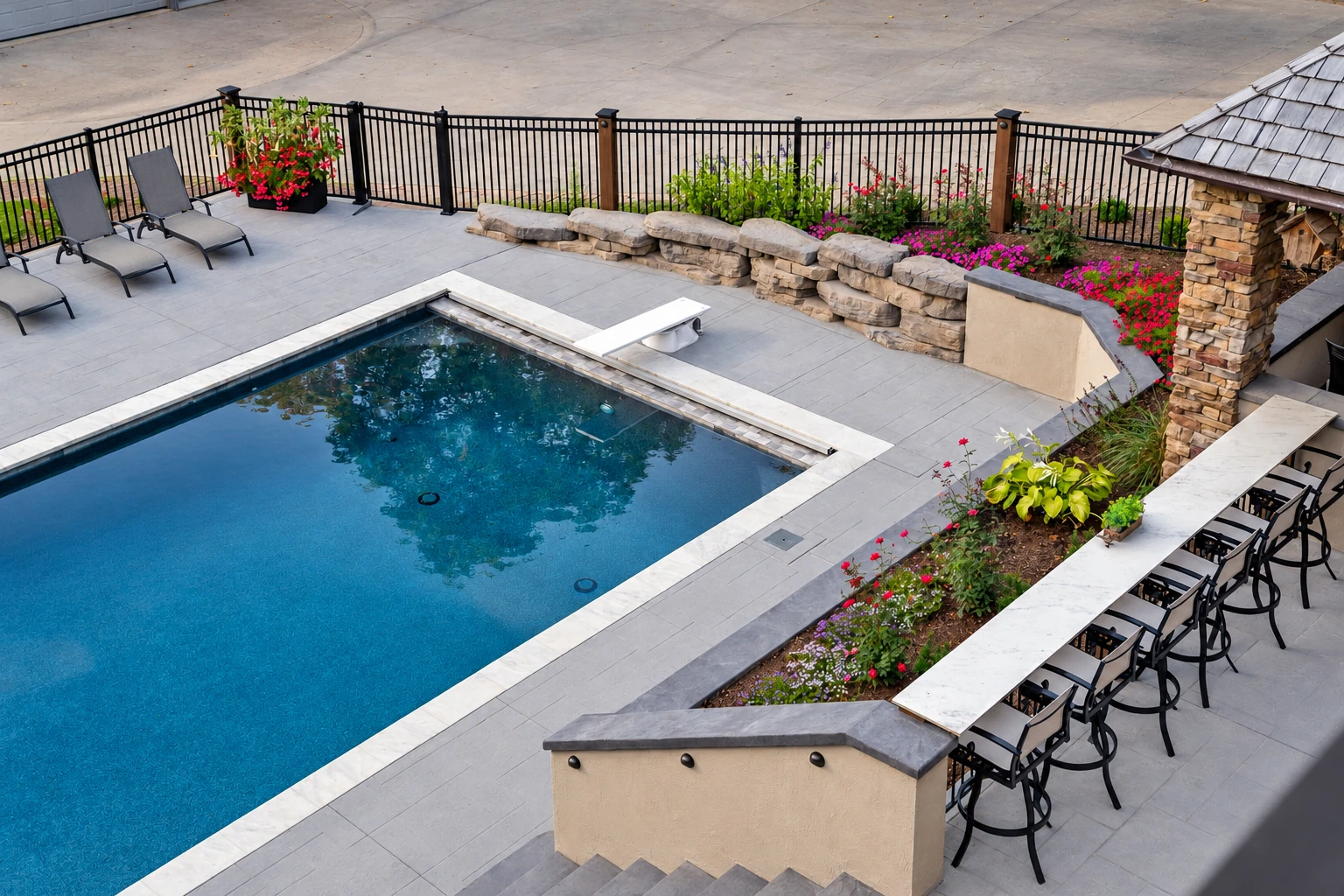
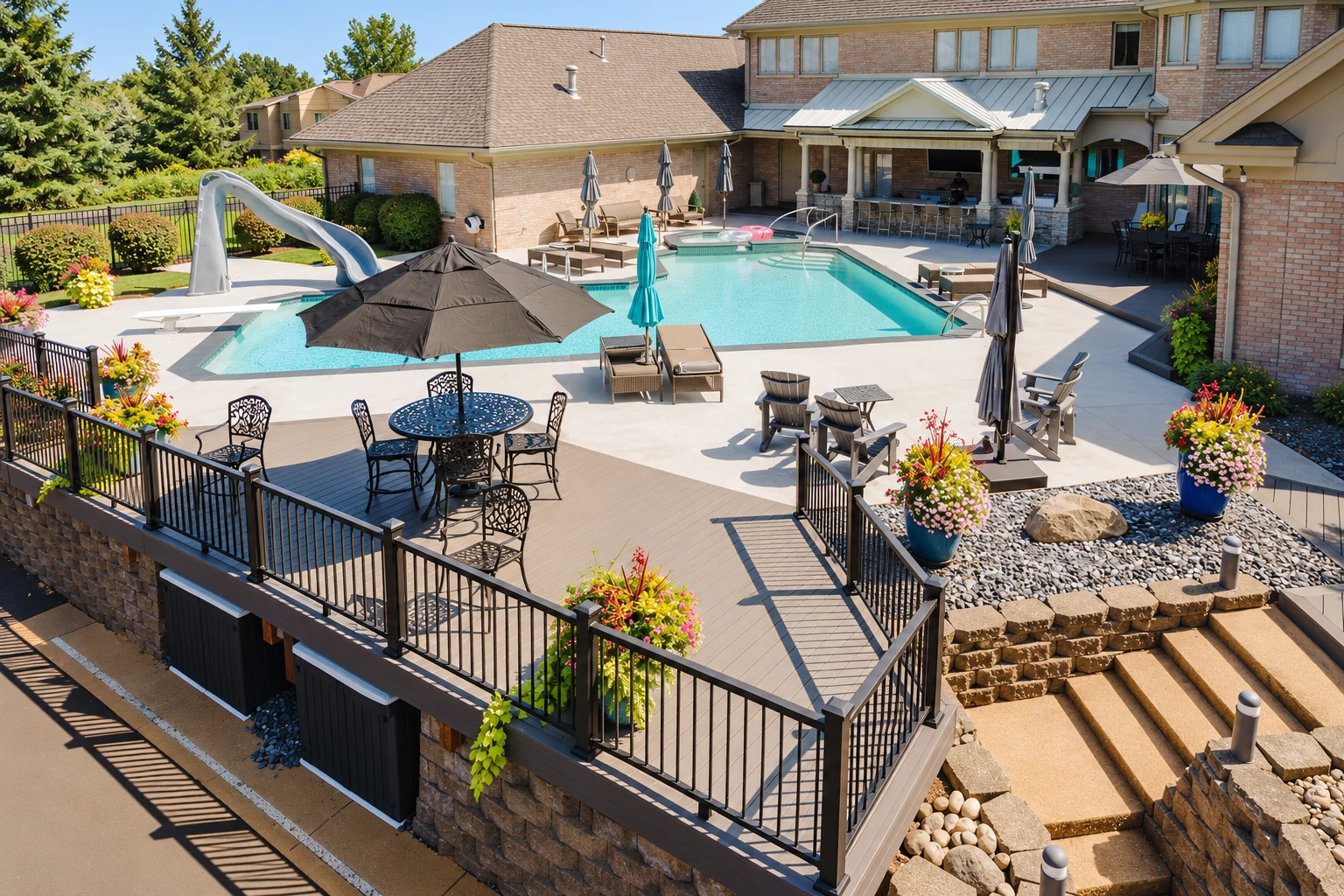
Around a pool, the deck has to drain away from the water and the house, with a textured finish that's easy on bare feet.
Learn more about Concrete pool decksConcrete steps construction
Hillside entries here often mean several steps from the drive to the door, and each one has to rise evenly so nobody trips.
Learn more about Concrete steps constructionSlab foundation building
A new addition or backyard unit starts with a slab foundation sized for the ground under it and the building it carries.
Learn more about Slab foundation buildingFoundation installation
When a structure needs more than a slab, we form and pour the foundation to the plans, working around the existing house and yard.
Learn more about Foundation installationConcrete parking lot building
Lots for small commercial and multi-unit properties need heavier concrete and planned drainage so water doesn't sit in the spaces.
Learn more about Concrete parking lot buildingConcrete footings
Footings carry walls, patio covers and decks, and on a slope they have to reach solid ground before any concrete goes in.
Learn more about Concrete footingsFoundation raising
When a slab or foundation has settled on soft or washed-out ground, we raise it back and deal with the water that caused it.
Learn more about Foundation raisingConcrete cutting
Old slabs against walls and steps call for clean saw cuts, so new concrete meets the old without breaking more than needed.
Learn more about Concrete cutting
What Dana Point's slopes ask of concrete
Water is the first thing I look at on a Dana Point lot, because on a slope it runs fast and finds the low edge of every slab. A driveway or patio that falls toward the house sends that water against your foundation, and water running under a slab washes out the subgrade, the packed ground the slab sits on, which is where most sinking and uneven sections start. So we dig out the soft soil, pack the base in layers instead of raking it level, and set the slope so water runs off the slab and away from the house.
These yards also come with a lot already in place, like walls, planters and pool decks the new concrete has to meet, so we plan the tear-out and the pour around what you're keeping. If your neighborhood has an HOA, I'll tell you early when its approval has to come from you so it doesn't hold up the start.
Get a written concrete quote for your Dana Point home
Tell us what you want poured or replaced and where in Dana Point, and we'll reply within one business day. I come out for a free on-site estimate, no obligation, and give you a written quote.
Questions from Dana Point homeowners
Do I need a permit to replace a concrete driveway or patio in Dana Point?
Ask the city before work starts, because Dana Point's list of work exempt from building permits names things like sheds, fences and some retaining walls, not driveways or patios, so it doesn't settle the question for flatwork. Permits come from the city's Community Development, Building and Safety office, and homeowners can set up their own account on the city's online permit portal. When a job needs a permit and we're the contractor, we pull it, handle the paperwork and plan the schedule around the review.
Does a concrete block wall or retaining wall need a permit in Dana Point?
A small one may be on the city's exempt list, but several conditions put it back under a permit. The city's handout lists some retaining walls within size limits and masonry or concrete fences up to 36 inches, yet walls and fences under six feet still need a permit when they're a condition of a project's approval or serve as a guard or a pool barrier. Any exempt item also needs a permit on a coastal bluff, in the Flood Plain Overlay District, in an Environmentally Sensitive Area, or when the city's Planning Division or another agency requires one. That handout was written for the 2022 state codes, and the 2025 code took effect January 1, 2026, so it's worth confirming with the city for your lot.
When does a concrete contractor in Dana Point need a California license?
A contractor needs a license from the Contractors State License Board when the job needs a building permit, uses employee labor, or comes to $1,000 or more in labor and materials, and they need it before they bid. Splitting a bigger job into pieces under $1,000 doesn't get it out of that rule. Almost any driveway, patio or wall crosses that line, and we're fully licensed and insured.
How much does a new concrete driveway cost in Dana Point?
Your price comes in a written quote after I've seen the driveway, because on Dana Point lots the cost swings with things you can only judge on site, like how steep the drive is, how far the concrete has to travel to the forms and how much soft ground has to come out. If you need to trim the budget, cut the finish before the base, since a fancy top over a raked-flat base still settles and cracks, and the base is the one part you can't fix later without tearing it all out. The quote lists what's included and what isn't, so you can see where the money goes.
How long does a new driveway take before I can drive on it?
You can usually walk on it within a few days, but driving waits longer, until the concrete has cured enough to carry a car. Curing is the slow hardening concrete does while it holds onto its water, and putting weight on it early is a common way to get early cracks. Before the pour, the schedule also depends on any permit review and on breaking out the old slab, and I'll tell you at the estimate how long you'll be without the driveway.
What causes new concrete to crack, and will mine crack like the old one?
All concrete cracks some as it shrinks and the ground moves, no matter who pours it, so the goal is to decide where. We cut control joints, shallow grooves that give the slab a planned place to crack, before it picks its own, and we set rebar, the steel that holds the pieces together and keeps cracks tight, where the slab needs it. Cracks like your old ones usually come from a base that was raked flat and never packed, water running under the slab, or joints cut late or skipped, and those are the parts we spend the most time on.
Want a plain answer on your concrete?
I come out, look at the job with you, and write a free quote that lists what's included and what isn't.
Other cities we work in
If your city has its own page, you'll find it here, and if it doesn't, call (949) 312-6257 or use the form to ask about your job.